The cleanliness crisis has resurfaced in the commune of Ourika following an incident that raised widespread questions about the causes of environmental deterioration. While some point to a shortage of waste containers, field indicators suggest that the problem may be deeper and primarily linked to poor management.
Is the cleanliness crisis in Ourika really due to containers or their distribution?
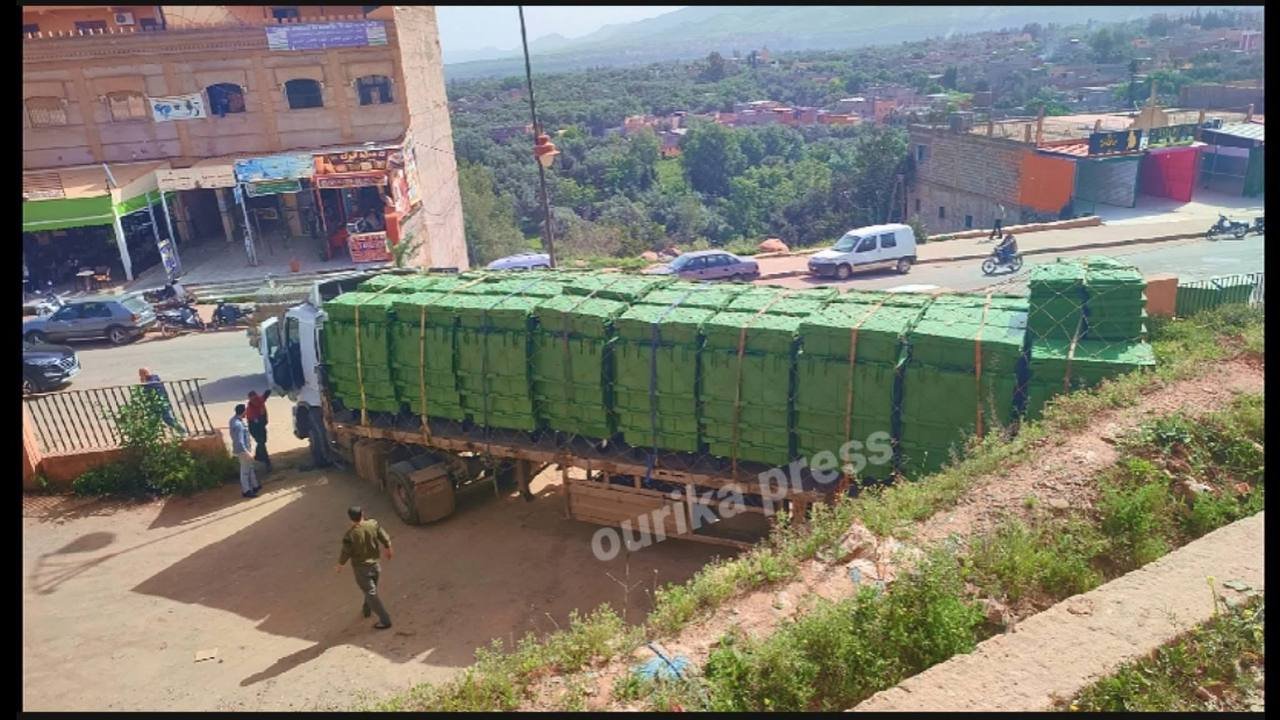
This morning, a truck loaded with waste containers arrived in the commune of Ourika around 10 a.m., in what initially appeared to be a positive step.
However, according to observations by some residents, the truck suddenly changed direction, reportedly heading toward a social institution instead of distributing the containers to the “hotspots” suffering from waste accumulation.
Field data reveals management shortcomings
This situation has revived the central question: is the cleanliness crisis in Ourika due to a lack of equipment or to how it is managed?
On the ground—especially along the main road, which is supposed to reflect the area’s image—waste is accumulating randomly, harming the public space and reducing the area’s attractiveness.
Between temporary solutions and lack of vision
Although providing containers is part of the solution, specialists and local observers believe this measure is insufficient without a comprehensive system.
Such a system should include regular waste collection, fair distribution of containers, and effective monitoring mechanisms to ensure environmental standards are respected.
Shared responsibility and local challenges
From a local governance perspective, there is a need to strengthen management within the commune of Ourika, particularly in the waste sector.
Observers point out that the lack of accountability and weak coordination between stakeholders are among the main reasons behind the worsening crisis.
Latest developments: are solutions in sight?
Given the current situation, residents are expecting more effective interventions based on planning and continuity rather than temporary fixes.
These discussions may push authorities to review management methods in order to improve environmental services.
What does this mean for the future of cleanliness in Ourika?
The key question remains: is the crisis caused by a shortage of containers or by management failure?
According to current data, the answer points to the need for comprehensive reform, including organizational and managerial improvements to restore public trust and enhance the region’s image.
FAQ
Is the cleanliness problem in Ourika only due to a lack of containers?
No, the data suggests it also involves poor distribution and weak management.
What are the main signs of the crisis?
Random waste accumulation, especially in main streets and key areas.
What solutions could improve the situation?
Implementing an integrated system including regular collection, fair distribution, and effective monitoring..