Oukaïmeden Agdal Season: An Ancient Amazigh Tradition Preserving Mountain Pastures and the Heritage of the Azib
Oukaïmeden Agdal Season: An Ancient Amazigh Tradition Preserving Mountain Pastures and the Heritage of the Azib

A Centuries-Old Customary Opening of High-Altitude Pastures
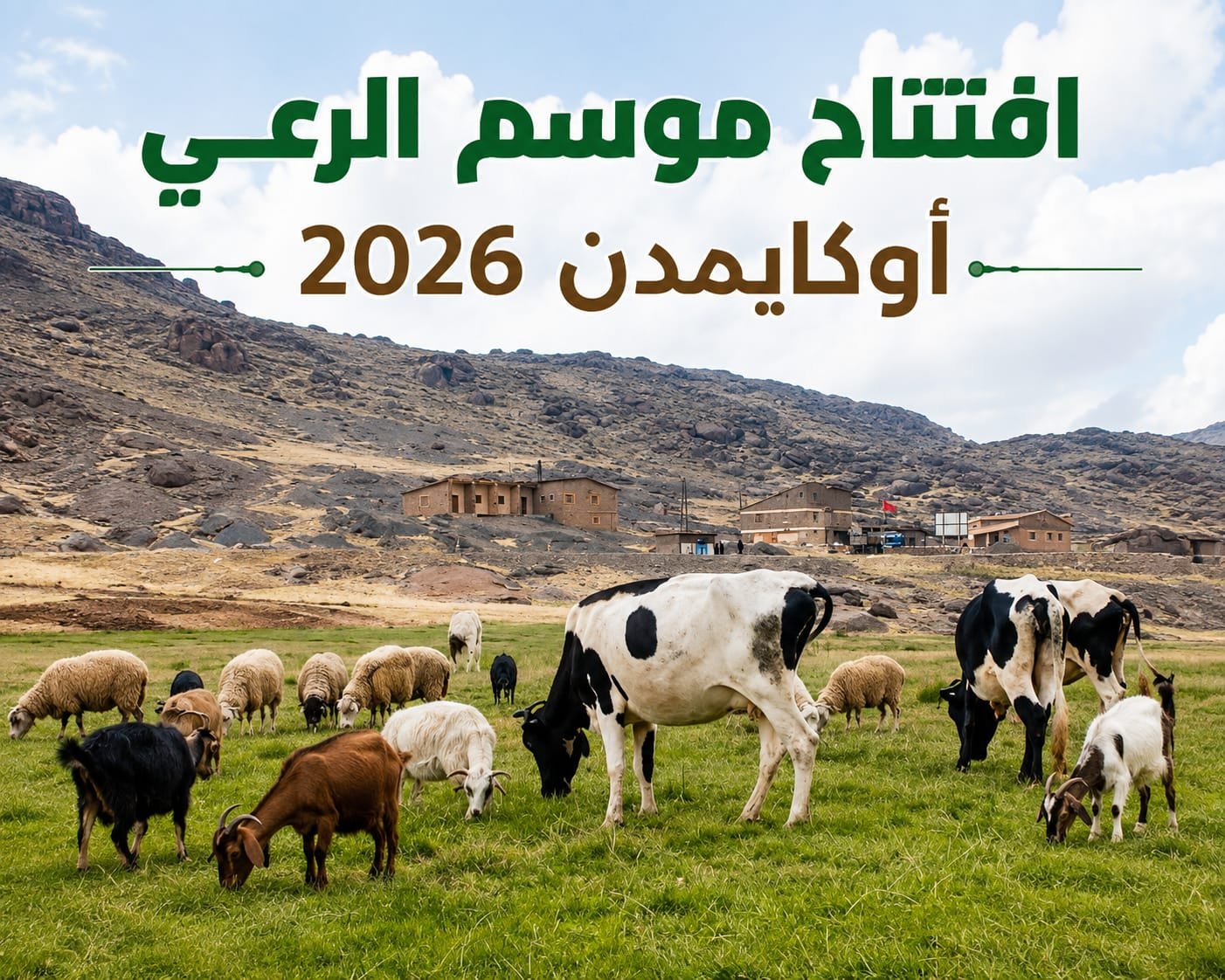
As the Oukaïmeden Agdal season approaches, officially opening each year on 17 Smayem, corresponding to August 9, 10, or 11 according to the traditional local calendar, the mountain pastures of Oukaïmeden welcome herders holding customary grazing rights. This annual event follows long-established traditions and customary laws that have been respected for centuries.
The Agdal system is one of the oldest community-based pasture management practices in Morocco’s High Atlas Mountains. It is based on the seasonal closure of grazing lands to allow natural vegetation to regenerate before reopening them during the summer grazing season.
The Azib: A Place of Community, Culture, and Solidarity
The opening of the Agdal is much more than the beginning of the grazing season. It is also an important social and cultural occasion. Shepherds move to the Azib, the traditional mountain pastoral settlements, where they strengthen social ties, exchange knowledge, and preserve centuries-old customs and traditions.
After spending fifteen days in the Azib, local communities prepare for the Moussem Al Aïn, celebrated annually on August 25, an important cultural event deeply rooted in the region’s heritage.
Seasonal Closure to Protect Biodiversity
According to customary regulations, the Agdal pastures remain closed to grazing from March 15 until their reopening in August. This seasonal protection allows mountain vegetation to recover, preserves biodiversity, and ensures the sustainable use of natural grazing resources for future generations.
Preserving the Azib: A Shared Commitment
Protecting the Azib is one of the primary objectives of the Atlas Association for Ecotourism and Biodiversity Conservation. The association works to safeguard this unique environmental and cultural heritage, recognizing it as a living symbol of Amazigh identity and an outstanding example of sustainable natural resource management in the High Atlas Mountains.