Tinmel: Cradle of the Almohad State and a Living Chapter of Morocco’s History in the High Atlas
Tinmel: Cradle of the Almohad State and a Living Chapter of Morocco’s History in the High Atlas High in the High Atlas Mountains, in Morocco’s Al Haouz

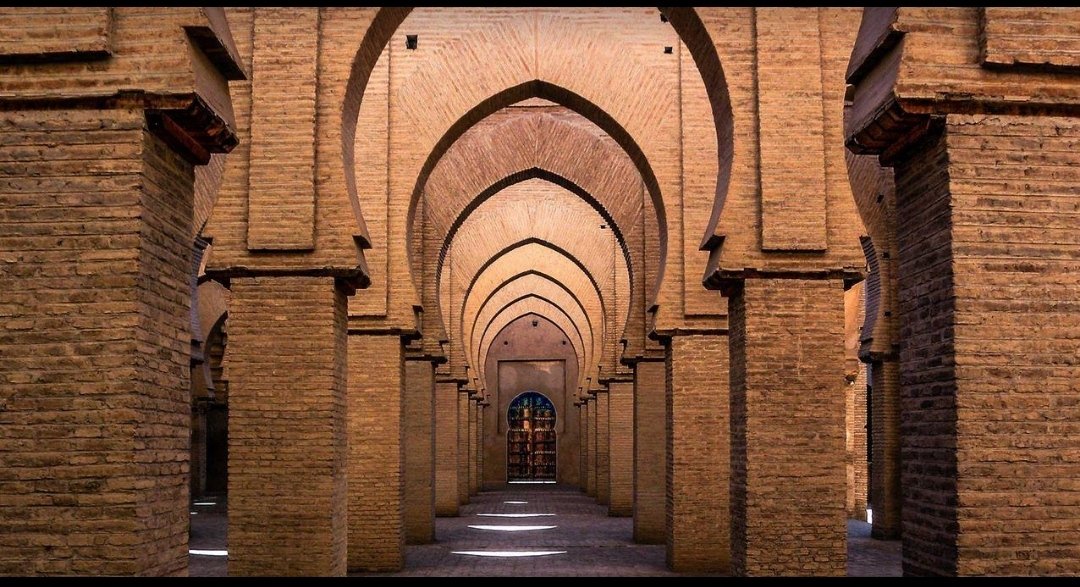
High in the High AtHigh in the High Atlas Mountains, in Morocco’s Al Haouz Province, lies the village of Tinmel, one of the country’s most significant historical sites dating back to the 12th century. It was here that the Almohad movement emerged before eventually developing into a powerful state whose influence extended across large parts of Morocco, Al-Andalus and North Africa.
Tinmel’s importance goes far beyond its historic mosque. The site preserves the memory of a pivotal period in Moroccan history, closely associated with the figure of Ibn Tumart and the emergence of the Almohad state.
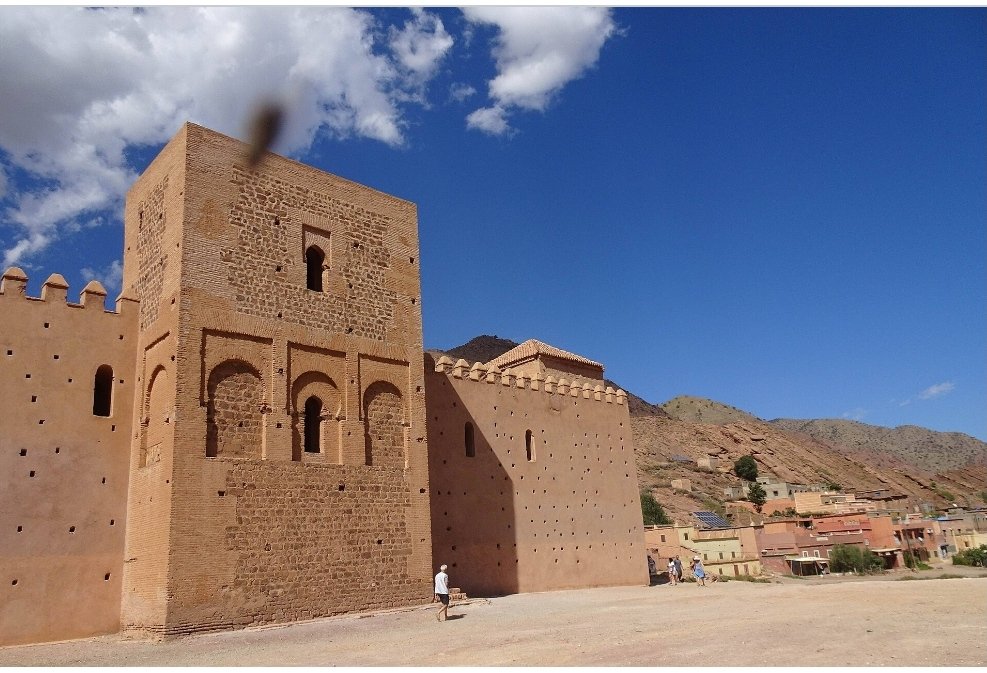
Tinmel… Where the Almohad Story Began
Ibn Tumart settled in Tinmel during the 6th century of the Hijri calendar. From this mountainous site, the movement that would later become known as the Almohad movement began to take shape.
Following his death in 1130, Ibn Tumart was buried at Tinmel, transforming the site into a place of profound religious and historical significance for the Almohads.
As the Almohad state consolidated its power, Tinmel gained even greater importance and became closely associated with the memory of the emerging state and its spiritual founder.
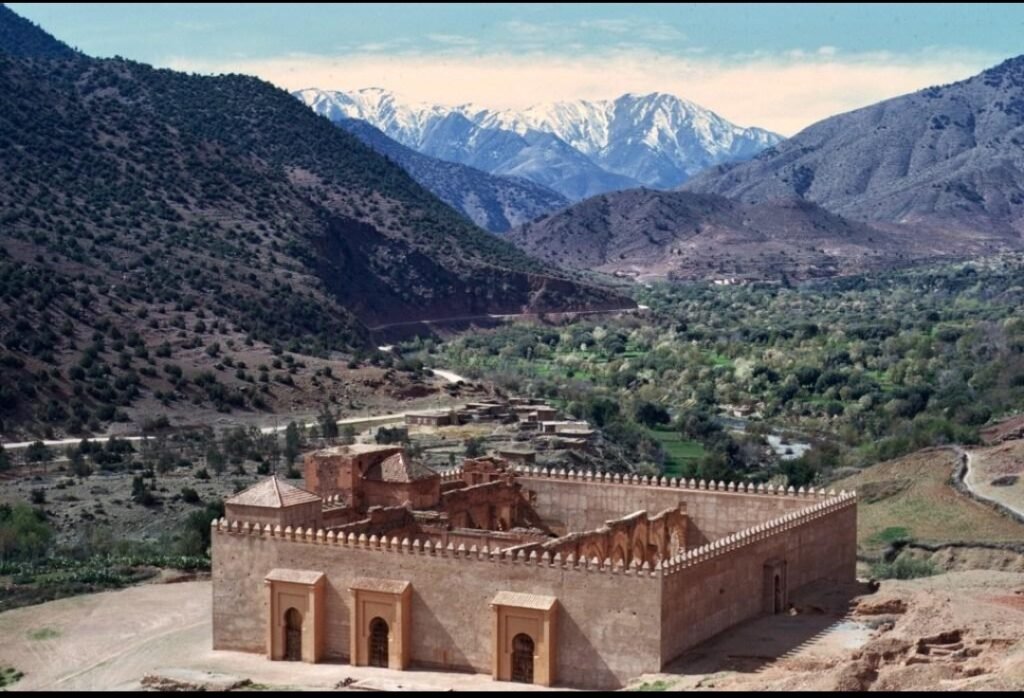
The Great Mosque… A Masterpiece of Almohad Architecture
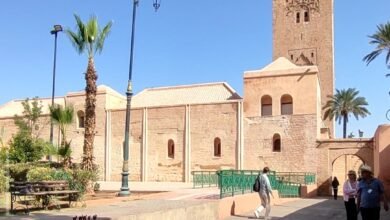
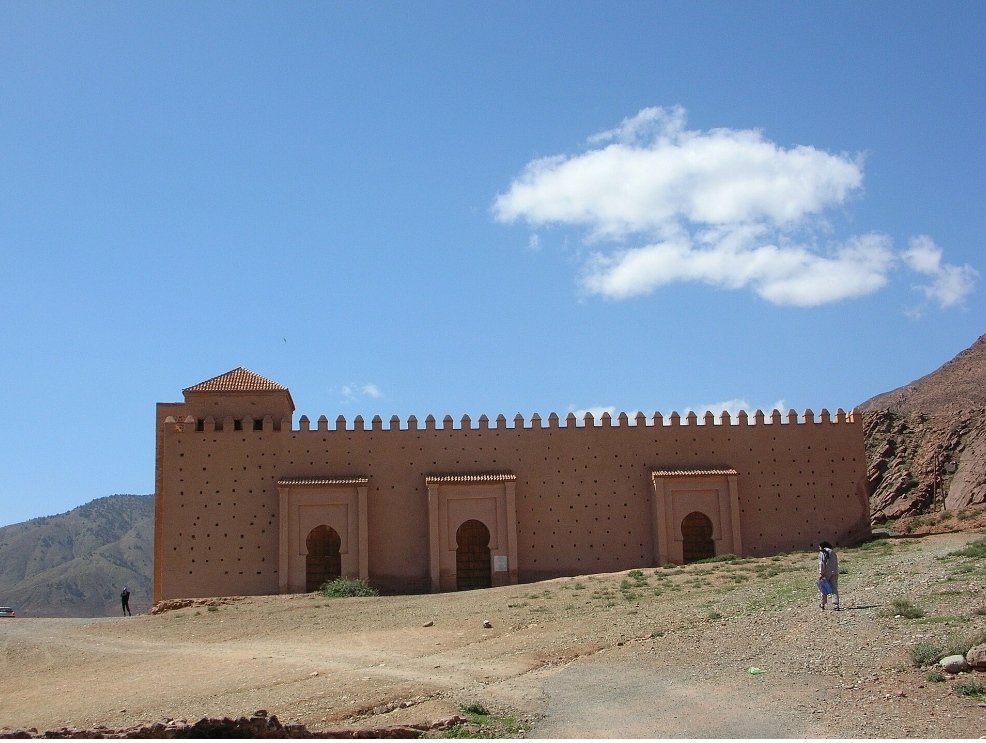
The Tinmel Mosque is the most prominent monument at the site. It was built by the Almohad caliph Abd al-Mu’min ibn Ali in the mid-12th century, with some specialized sources dating its construction to 1154.
The mosque reflects distinctive characteristics of Almohad architecture. It features a courtyard surrounded by arcades and a prayer hall divided into nine naves, along with a mihrab decorated with geometric and vegetal motifs.
Some sections of the building also feature muqarnas, considered among the early examples of this architectural element in the Islamic West.
The minaret rises above the mihrab area. According to data from the Virtual Museum of Islamic Art, its rectangular base measures approximately 9.50 metres in length and 5.50 metres in width.
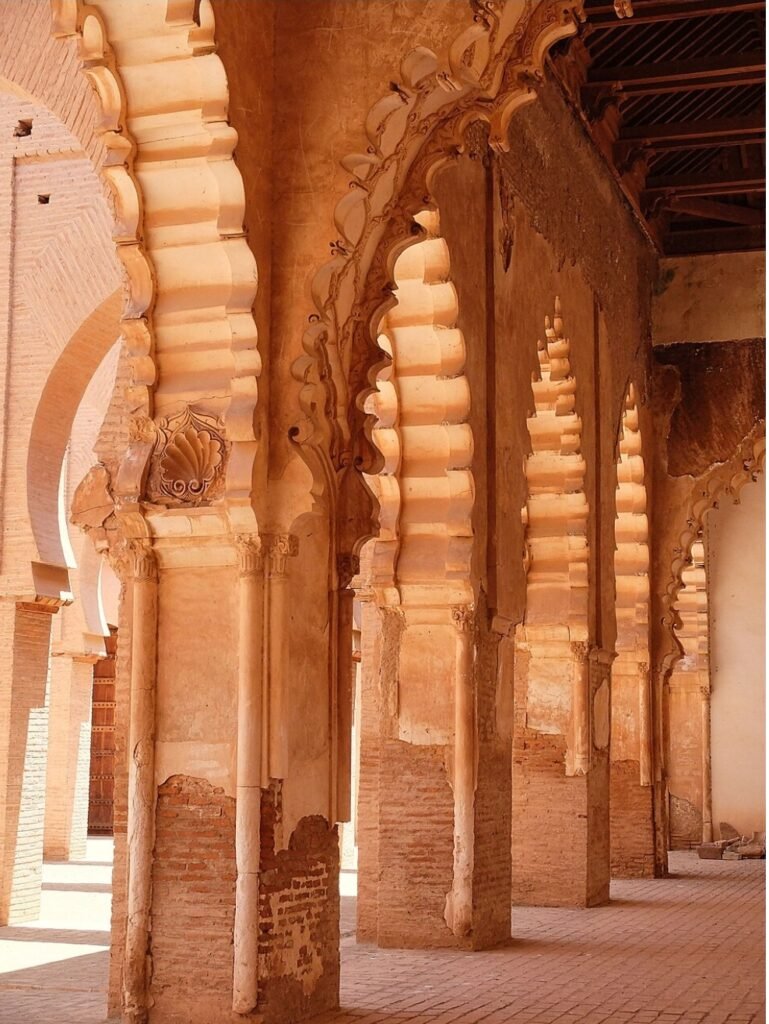
Tinmel… An Archaeological Heritage That Goes Beyond the Mosque
Tinmel’s significance is not limited to its mosque. The site contains other archaeological remains that reflect the importance of the area during the Almohad period.
According to Morocco’s Ministry of Youth, Culture and Communication, the site also contains the remains of an Almohad defensive wall stretching for approximately 700 metres and reinforced with towers.
The archaeological remains of the Tinmel Mosque were classified as part of Morocco’s national heritage as early as 1925. The protection was later extended to several other archaeological remains at the site.
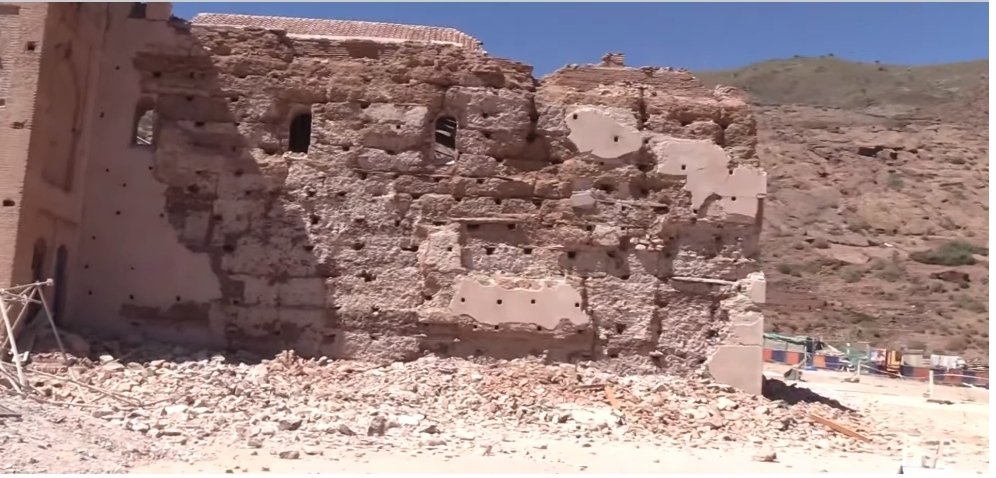
The Al Haouz Earthquake… A Severe Blow to Centuries of History
On September 8, 2023, the Tinmel Mosque suffered extensive damage as a result of the earthquake that struck the Al Haouz region. UNESCO confirmed that the mosque, which is included on Morocco’s Tentative List of World Heritage Sites, sustained severe damage, reportedly reaching the point of near-collapse.
This distinction is particularly important: the Tinmel Mosque is not currently inscribed on UNESCO’s World Heritage List. It has, however, been included on Morocco’s Tentative List since 1995.
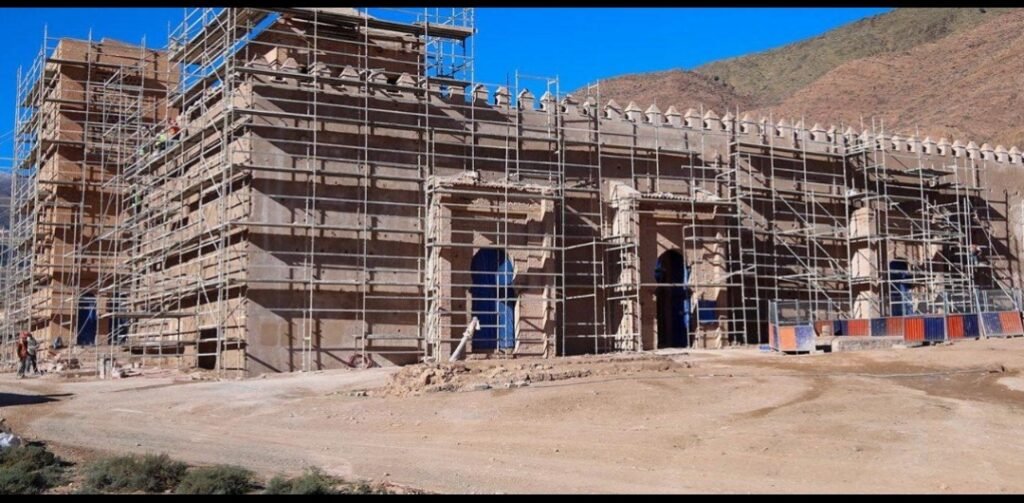
From Restoration to Preserving a Living Memory
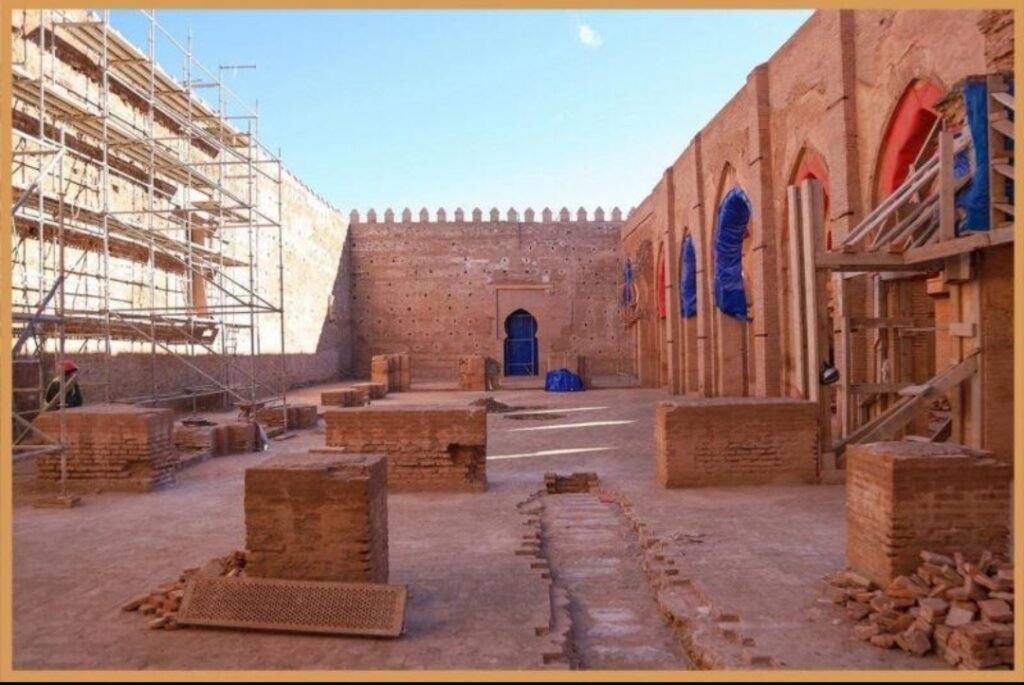
The Al Haouz earthquake once again highlighted the importance of protecting this historic monument, at a time when restoration and rehabilitation work on the mosque had already begun before the earthquake.
Morocco’s Ministry of Habous and Islamic Affairs and the Ministry of Youth, Culture and Communication had overseen a project to rehabilitate the mosque, incorporating archaeological studies and research into the restoration process.
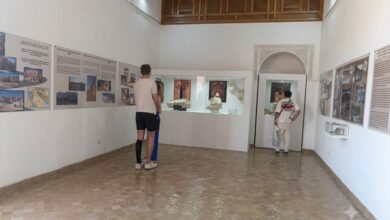
A project to establish a museum next to the mosque was also announced, with the aim of presenting the history of Tinmel and explaining the role it played in the development of Almohad civilization.
The challenge, therefore, is not simply to rebuild a historic mosque, but to preserve the memory of a site intimately connected to the birth of one of the most significant states in Moroccan history.
Tinmel… Another Face of Cultural Tourism in Al Haouz
Tinmel has qualities that make it far more than an archaeological stop. It brings together history, architecture, mountains and local memory, giving it considerable potential as a cultural tourism destination.
The inclusion of the Tinmel Mosque on Morocco’s Tentative List of World Heritage Sites since 1995 also reflects the value attributed to the site at the national level within the framework of world heritage.
Tinmel… A Story That Has Not Yet Ended
Tinmel is not simply a mosque damaged by the Al Haouz earthquake, nor merely the ruins of a state that disappeared centuries ago. It is a living historical memory connected to one of the most important chapters in Morocco’s past.
Between the mosque, the remains of the ancient walls and the mountains surrounding the site, the story of Tinmel continues, awaiting further exploration, research and documentation.
For Ourika Press, another encounter with Tinmel is planned directly from the site itself.
Following our return from media coverage of the International Horse Show in El Jadida, we will travel to Tinmel to bring you original images from the site, document the condition of the mosque and the progress of restoration work, explore the remains of the historic settlement, follow the road leading to Tinmel, and gather testimonies and information directly from the field.las Mountains, in Morocco’s Al Haouz