Beekeeping in Oukaïmeden: Mountain Honey in the Heart of Al Haouz Province
Beekeeping in Oukaïmeden: Mountain Honey in the Heart of Al Haouz Province

In the heart of the High Atlas
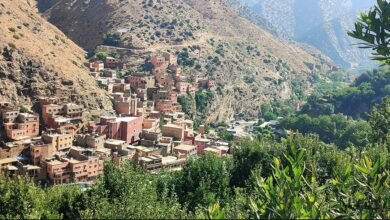
Nestled in the heart of the High Atlas Mountains in Morocco’s Al Haouz Province, Oukaïmeden is distinguished by its high altitude and rich natural environment. These characteristics make the area particularly suitable for a number of rural activities, including beekeeping.
Located more than 76 kilometres south of Marrakech, Oukaïmeden is known nationally and internationally for its ski resort, situated at elevations exceeding 2,600 metres. The area is also renowned for its natural landscapes and geological features, which have made it a popular destination for mountain enthusiasts and rock climbers.
Yet Oukaïmeden is not only about snow, skiing and spectacular mountain scenery. The area is also home to rural activities that benefit from the richness of its natural environment, with beekeeping among them.
Vegetation providing natural resources for bees
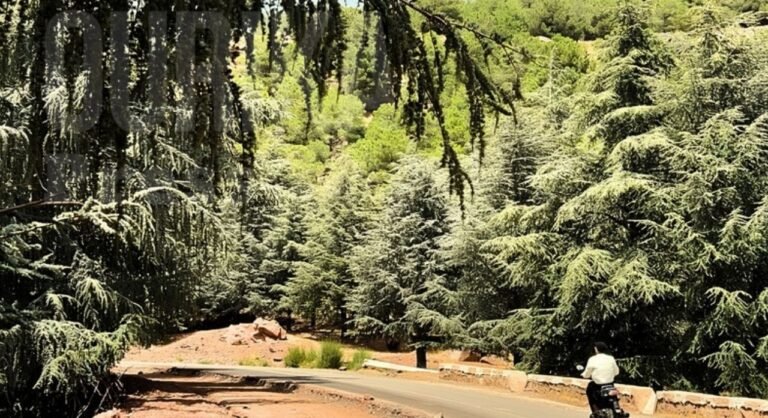
As shown in field photographs, several areas around Oukaïmeden are home to a variety of wild and aromatic plants, as well as forest cover that provides bees with natural sources of nectar and pollen.
These natural resources are particularly important in an area that is relatively distant from intensive agriculture and industrial activities. In several mountain locations, wild vegetation therefore represents an essential source of food for bees.
The proximity of some apiaries to cedar forests, combined with the diversity of vegetation found along mountain slopes and hillsides, gives the area natural potential for the production of mountain honey.
Choosing the apiary site: a decision shaped by nature
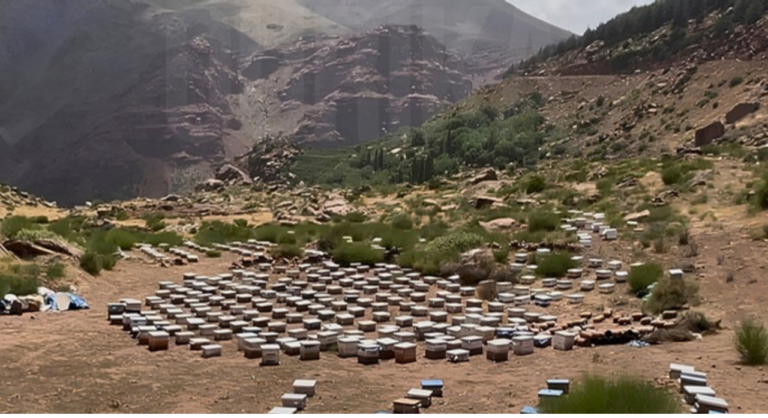
In mountainous areas, successful beekeeping depends not only on the presence of hives, but also to a great extent on choosing the right location for them.
Beekeepers generally seek sites as far as possible from sources of pollution, close to water sources, and exposed to sufficient sunlight while offering protection from strong winds.
This is particularly important in Oukaïmeden, given its rugged terrain and harsh winter conditions.
The proximity of an apiary to the beekeeper’s home is also an important practical consideration. Beekeeping requires regular monitoring of the colonies and intervention when necessary, which becomes more difficult in remote, high-altitude and rugged locations.
Beekeeping in the face of a mountain climate
Oukaïmeden’s climate gives beekeeping a distinctly seasonal character.
During winter, temperatures drop considerably and the area can experience significant snowfall, leading to a decline in bee activity outside the hive. As weather conditions improve and vegetation resumes growth and flowering, bee activity gradually increases, particularly during spring and summer.
The beekeeping cycle at these elevations therefore differs from that of regions with milder climates. Beekeepers need to closely monitor weather changes, the availability of forage and the flowering periods of local plants.
Mountain honey: a product linked to its territory
Honey produced in mountain regions is closely connected to the environment in which bees collect nectar and pollen. Its characteristics can therefore vary from one region to another and from one season to the next, depending on the plant species available, flowering periods and weather conditions.
In Oukaïmeden, the diversity of wild and aromatic plants found around several apiaries gives this activity a particular value, especially when production takes place in a natural environment far from pollution and intensive agricultural activities.
However, honey quality does not depend solely on the location. It is also influenced by beekeeping practices, the health of the colonies, and the methods used to harvest, extract and store the honey.
An additional source of income for mountain families
The importance of beekeeping goes beyond honey production. It can also provide an additional source of income for rural families whose livelihoods depend on several activities, including livestock farming and subsistence agriculture.
Compared with some other agricultural activities, beekeeping does not require large areas of land, making it particularly suitable for mountainous environments where arable land is limited.
Hives also provide other products, including beeswax and propolis, creating opportunities to diversify income generated by beekeeping.
Local knowledge passed down through generations
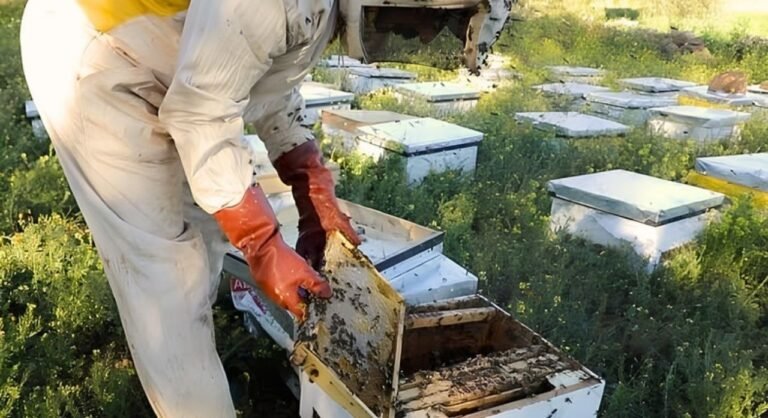
In mountain regions, beekeeping is not simply an economic activity. It is also based on local knowledge and experience accumulated by beekeepers over many years.
Knowing where to place the hives, monitoring the condition of the colonies, determining the right time for intervention and harvesting, and dealing with changing weather conditions are all skills that require experience and continuous practice.
This knowledge forms part of rural life in the Atlas Mountains, where agricultural and pastoral activities are closely connected to the natural resources available in the surrounding environment.
Challenges facing beekeepers in Oukaïmeden
Despite the area’s natural advantages, beekeepers in high-altitude regions face a number of challenges.
Difficult access to certain mountain sites is among the main obstacles, particularly during periods of snowfall and heavy rain. The short season suitable for bee activity also makes production highly dependent on weather conditions and the availability of flowering plants.
Climate variability and fluctuations in rainfall add further challenges, potentially affecting the growth of wild vegetation and the availability of food sources for bees from one season to another.
The marketing of mountain honey and the promotion of its specific characteristics are also areas that could benefit from greater organisation and better product development, helping strengthen the position of this local product and opening access to wider markets.
When nature becomes a source of livelihood
Beekeeping in Oukaïmeden reveals another side of life in the High Atlas Mountains. The value of the area is not limited to its landscapes, snow and tourism activities. It also extends to the natural resources that local communities rely on in their daily activities.
Amid the high mountains, cedar forests and wild and aromatic plants, beehives follow a seasonal cycle closely connected to the rhythm of nature.
Beekeeping in Oukaïmeden is therefore an activity that brings together economic, environmental and social dimensions. It reflects the close relationship between mountain communities and the natural resources of their territory, while highlighting the importance of giving greater attention to this activity and enhancing the value of its products in a way that respects the region’s unique characteristics and preserves its natural resources.