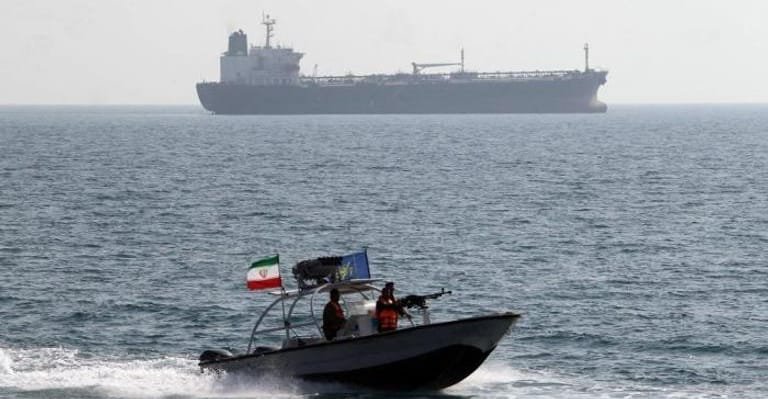
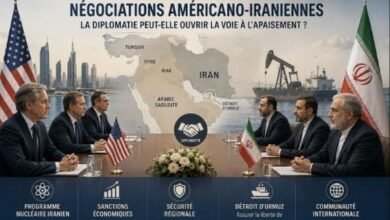
In the context of regional shifts linked to the ceasefire in Lebanon, Tehran has announced regulatory measures to ensure the continuity of commercial maritime traffic through one of the world’s most critical waterways, reaffirming its commitment to maintaining stable flows of shipping and energy supplies.
Ensuring Smooth Navigation in a Strategic Corridor
Iran’s Foreign Minister, Abbas Araghchi, stated on Friday that commercial shipping traffic through the Strait of Hormuz will remain steady and open during the current period.
The Iranian official explained that this approach comes amid a broader phase of regional de-escalation tied to the ceasefire in Lebanon, contributing to a more stable environment across the region.
Maritime Coordination to Safeguard Transit
In a post published on the platform X, Araghchi indicated that commercial vessels will continue to transit normally, under precise regulatory arrangements overseen by Iran’s competent maritime authorities.
He added that these mechanisms are designed to ensure the smooth flow of traffic and prevent any potential disruptions in this vital artery.
Strategic Importance of the Strait of Hormuz
The Strait of Hormuz remains one of the world’s most significant maritime chokepoints, with a substantial share of global oil and gas supplies passing through it. This makes it a cornerstone in maintaining stability in international energy markets.
In this regard, the Iranian minister stressed that the current measures fall within a framework of managing vessel movement in accordance with established regulations, while ensuring the uninterrupted flow of global trade.
A Sensitive Regional Context and Precautionary Measures
These statements come at a delicate regional juncture, as stakeholders seek to consolidate de-escalation efforts and avoid any escalation that could impact vital maritime routes. Through these steps, Tehran aims to reinforce confidence and safeguard the stability of international navigation.