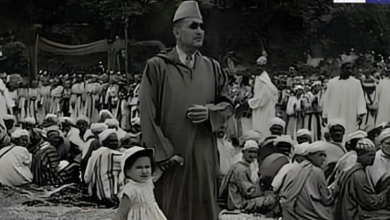
The Lalla Setti Fatma Moussem in Ourika: A Living Heritage of Memory, Amazigh Culture and Local Economy
The Lalla Setti Fatma Moussem in Ourika: A Living Heritage of Memory, Amazigh Culture and Local Economy

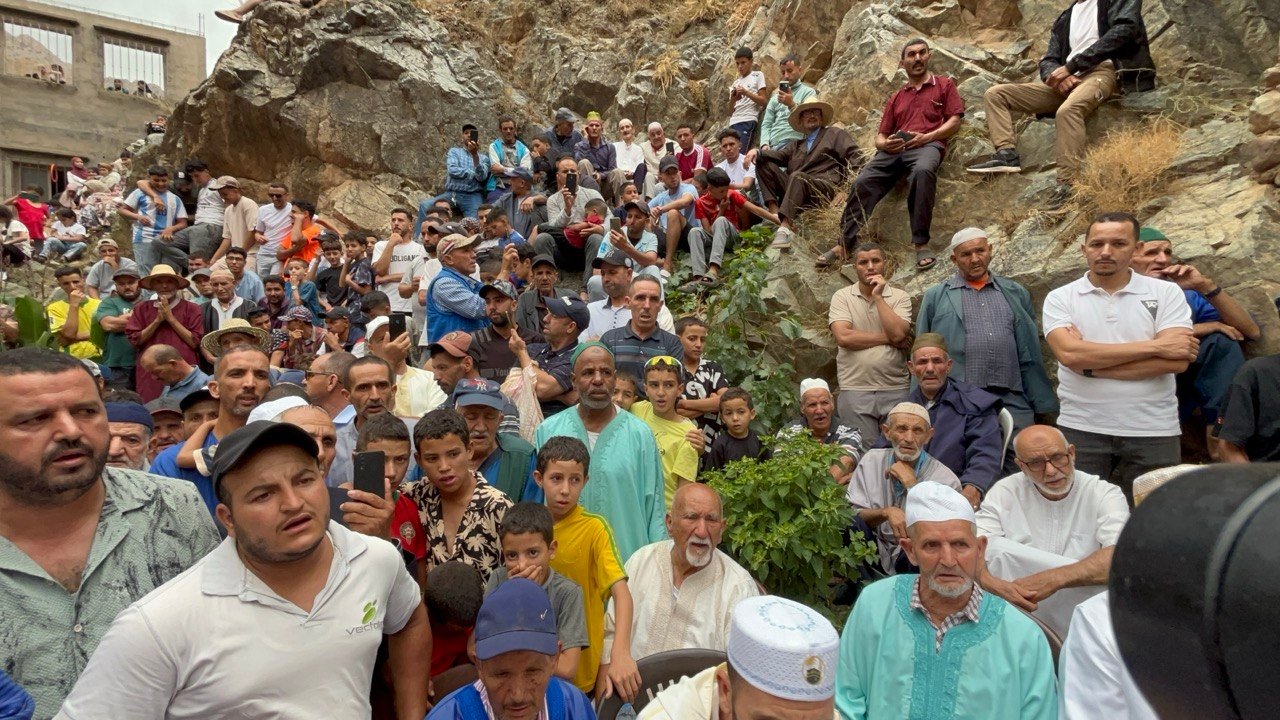
At the heart of the Ourika Valley, amid the slopes of the High Atlas, August is unlike any other month of the year. The region prepares to welcome one of its most important traditional events: the Lalla Setti Fatma Moussem, an annual gathering that, for generations, has brought together collective memory and local traditions, spiritual practices and Amazigh heritage, social life and economic activity.
According to traditions passed down by local residents, the Moussem begins around August 10 or 11, depending on the calculation of the corresponding date in the Islamic lunar calendar. It also coincides with the 17th day of Smaim, making it a highly anticipated occasion for the inhabitants of Setti Fatma, as well as for the surrounding villages and tribes of the Ourika Valley.
The event also attracts visitors from different areas who come to discover this deeply rooted form of popular heritage.
As part of its “Ourika Tourist Guide” series, Ourika Press has worked to document various aspects of this annual gathering through field reporting, photographs and audiovisual recordings, capturing the rituals as well as the social, cultural and economic activities that accompany the Moussem.
A Moussem that goes beyond religious pilgrimage
At first glance, the Lalla Setti Fatma Moussem may appear to be an event primarily associated with the shrine and religious visitation. However, a closer look reveals that the gathering carries a much broader significance.
For local residents, the Moussem is an annual opportunity to reconnect with collective memory, return to the place and renew social ties. It also brings together families, villages and tribes from different parts of the Ourika Valley.
This is precisely what makes traditional moussems in the Atlas region so distinctive. Historically, they were not merely religious occasions, but also spaces for meeting, communication, exchanging news and strengthening ties between communities.
This social dimension was particularly important in mountainous areas, where villages were often separated by difficult terrain and considerable distances.
Opening day: a long-awaited gathering for tribes and villages
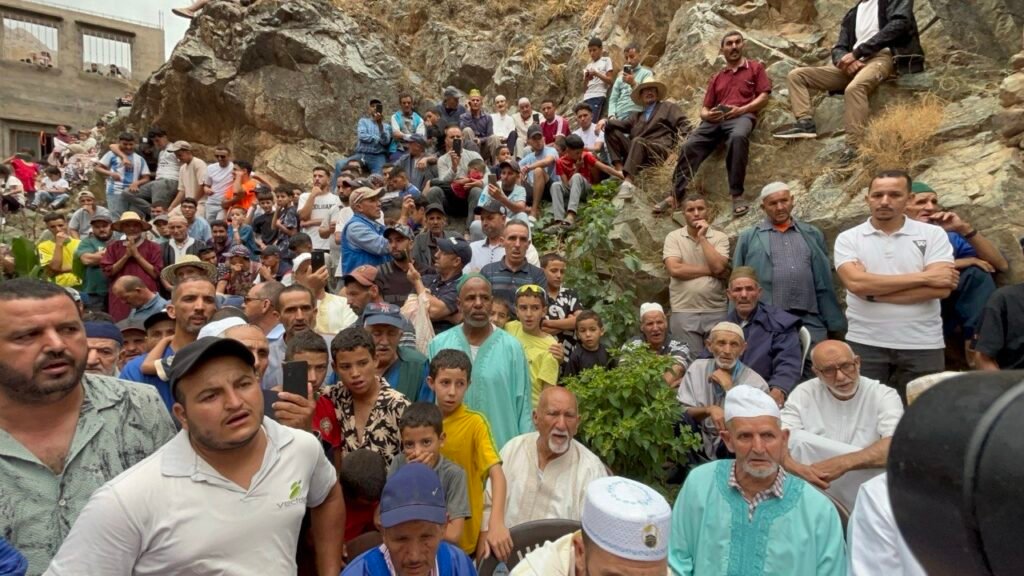
The opening day of the Lalla Setti Fatma Moussem remains one of the most important moments of the event, particularly for local residents and the tribes and villages taking part in the gathering.
After the Asr prayer, ceremonies to welcome delegations and tribal notables begin in an atmosphere marked by spirituality.
Imams recite verses from the Quran, followed by prayers and blessings upon the Prophet Muhammad, before supplications are offered for the King and the Kingdom of Morocco, wishing the country prosperity and development.
These moments bring together large numbers of local residents and participating delegations, creating a scene where religious and social dimensions come together and highlighting the place of the Moussem in local collective memory.
The communal sacrifice: a deeply rooted Moussem tradition
After the prayers and supplications, the ritual sacrifice is brought out and slaughtered at the traditional site near a walnut tree. Additional sheep contributed by some neighboring tribes are then added to the communal sacrifice.
The process takes place collectively. The muezzin then welcomes the guests and participating delegations, before the communal meal begins.
A group of volunteer women takes responsibility for preparing the food, offering a remarkable example of the spirit of cooperation and social solidarity that remains an important part of this annual gathering.
The significance of this tradition goes beyond food. It also carries a strong symbolic dimension: preparing and sharing the meal becomes an opportunity for local residents and guests to gather around the same table, reviving the tradition of collective hospitality that has characterized mountain communities for generations.
The livestock market: a commercial tradition preceding the Moussem
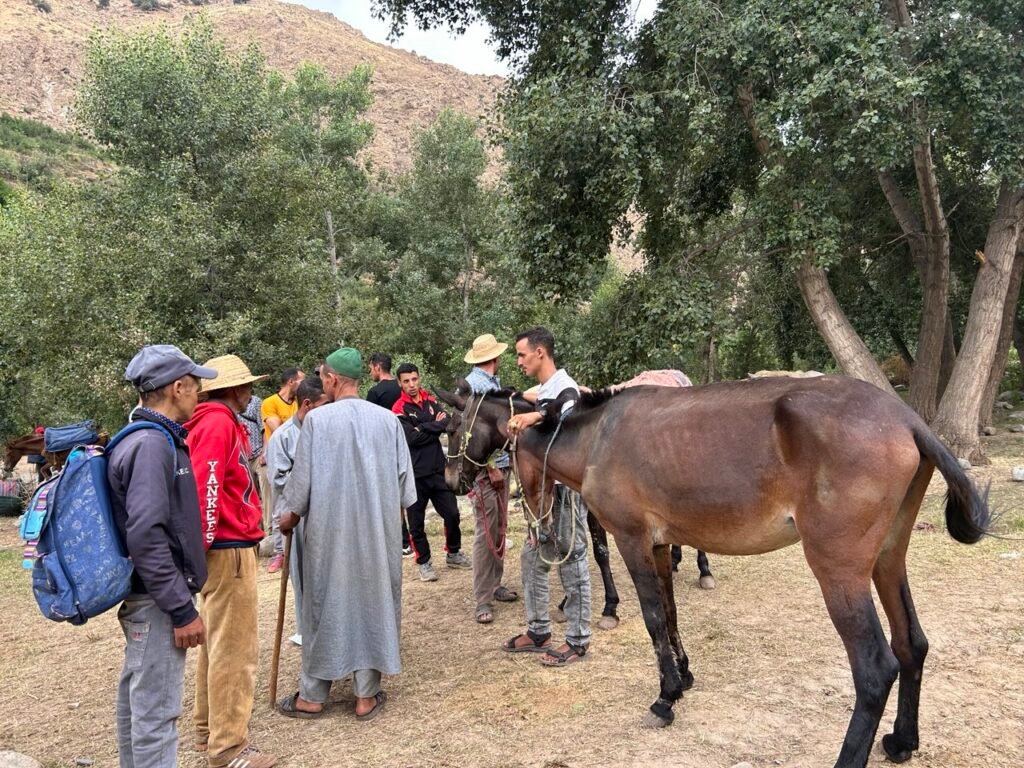
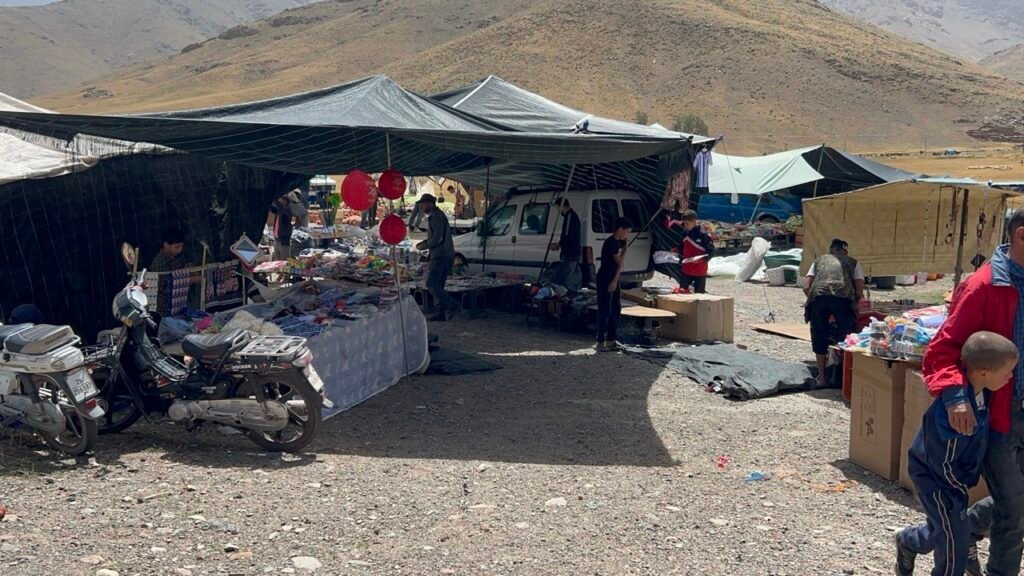
The economic activity associated with the Moussem does not begin on the opening day alone. Traditionally, a livestock market is held near the zawiya on the afternoon of August 9, continuing throughout the Moussem.
The market represents another important aspect of the event. It attracts livestock traders and adds a commercial dimension to the gathering, a feature historically associated with traditional moussems in rural and mountainous areas.
As a result, the days of the Moussem bring noticeable commercial and service activity to the area, driven by the large number of visitors arriving in the region.
The Moussem boosts the local economy
The economic activity extends far beyond the livestock market to include various sectors connected with welcoming visitors.
During the Moussem, trade in local products and traditional foods increases, while a number of crafts, services and other activities also benefit from the influx of visitors.
The period provides an opportunity for many families and local professionals to increase their income. It also gives local products greater visibility and creates opportunities to promote and sell them to visitors coming from different parts of Morocco.
From this perspective, the Moussem can be seen as a seasonal economic driver. Although limited in duration, it generates a significant commercial cycle for a number of local businesses and residents.
Visiting rituals: between religious heritage and popular traditions
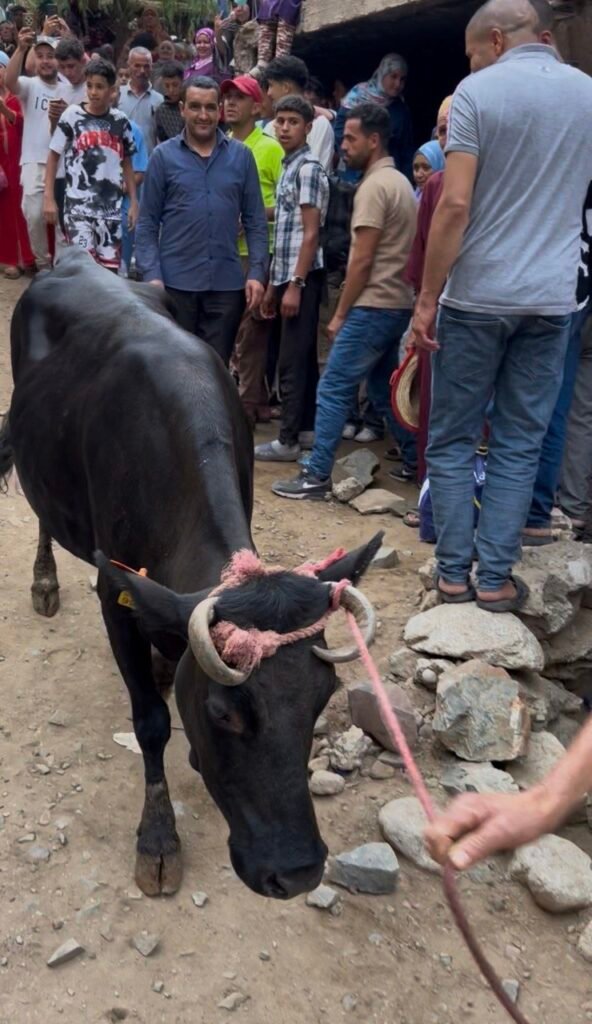
Visits to the shrine of Lalla Setti Fatma are accompanied by a number of practices passed down from one generation to another. These traditions reflect the intersection of local heritage, religious culture and popular customs historically associated with shrines and moussems in the Atlas region.
Practices vary according to families, communities and inherited traditions. They may include visiting the shrine, certain forms of seeking blessings, lighting candles and incense, as well as offering animal sacrifices on certain occasions.
Regardless of the different perspectives surrounding these practices, they remain part of the cultural and social landscape associated with the Moussem over time. They also help illustrate how the local community has preserved part of its popular memory.
Ahwach: when the Moussem square becomes an open-air stage
While spirituality occupies a central place in the Moussem, its artistic and cultural dimension also gives the event a distinctive character.
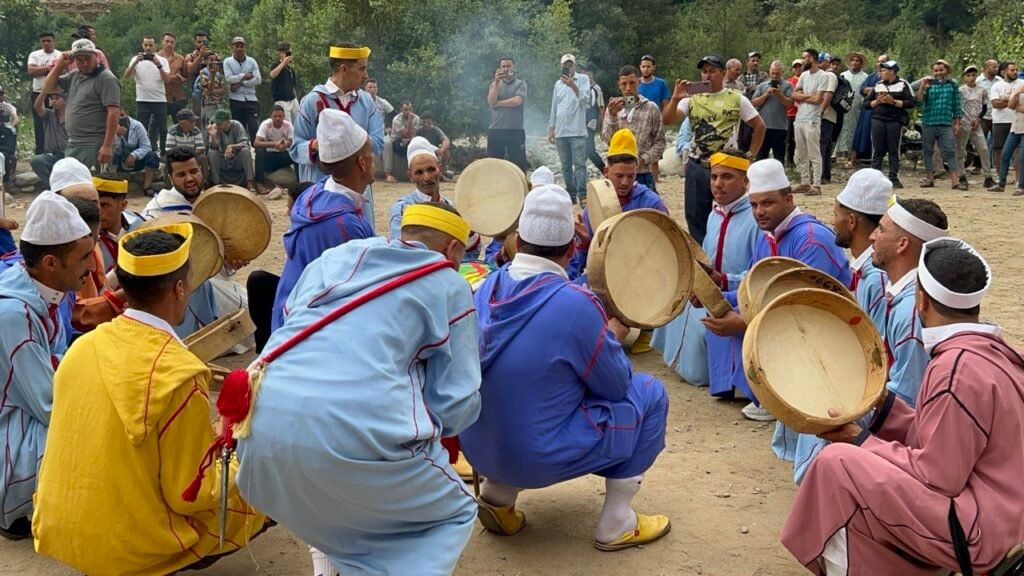
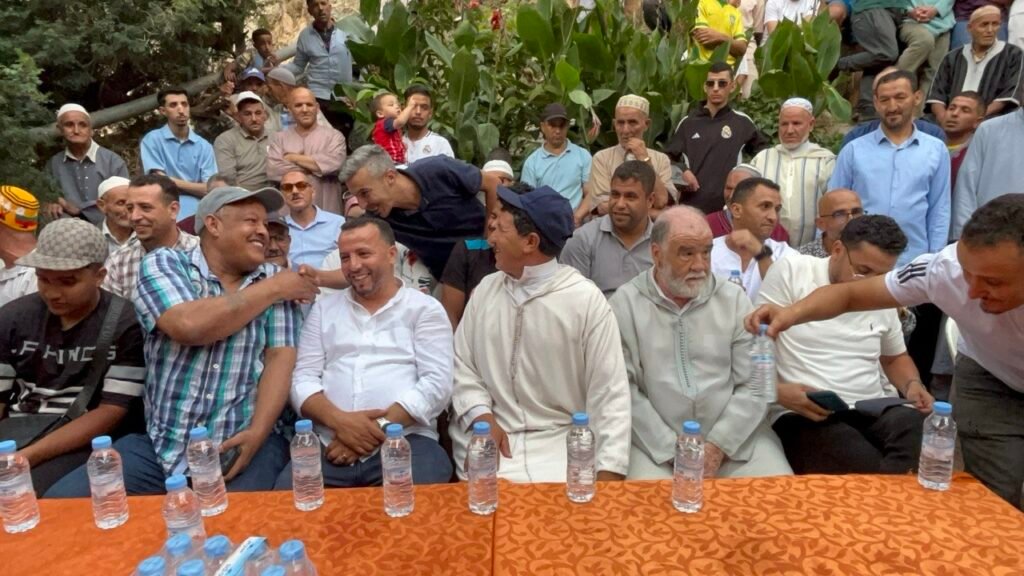
As night falls, the celebrations move to a square near the river, where Ahwach groups perform traditional collective shows that attract large crowds.
The square becomes an open-air stage for singing, rhythms and synchronized movement. Performances often continue late into the night, drawing a large audience.
These performances provide an opportunity to showcase an important part of Amazigh music and collective artistic expression. They also allow younger generations to discover traditional forms of performance that have long been associated with celebrations and communal gatherings in the region.
Through audiovisual documentation of these scenes, Ourika Press seeks to present the Moussem as it is experienced by local residents, rather than merely as it is described in written accounts or represented through still photographs.
Lalla Setti Fatma: a figure deeply rooted in collective memory
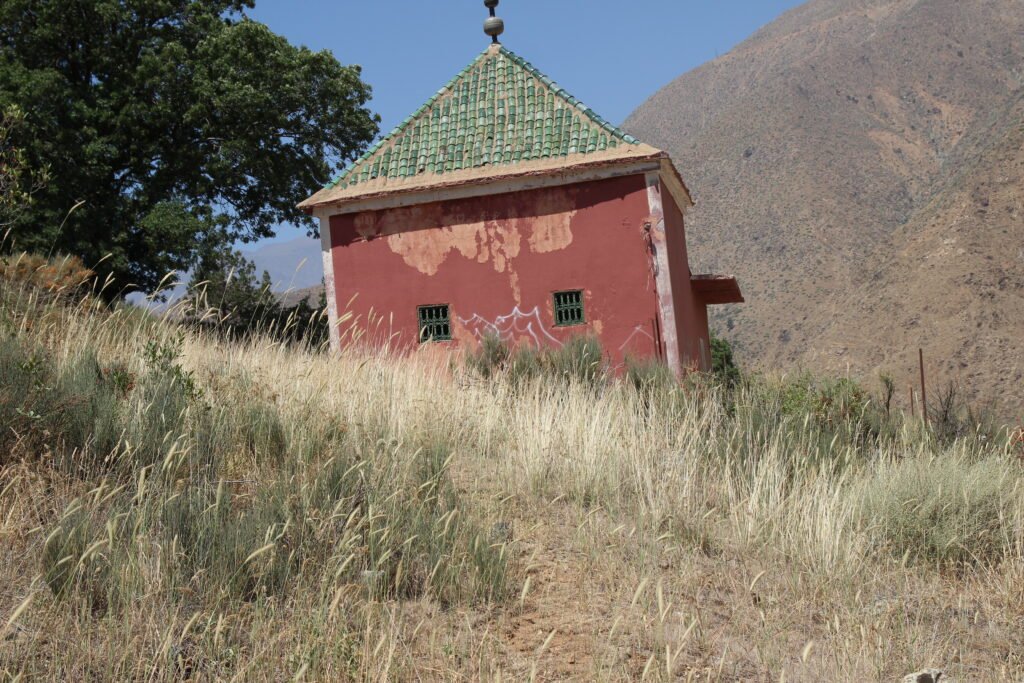
The shrine of Lalla Setti Fatma is more than simply a place of pilgrimage. Its name is deeply connected to the collective memory of the local population.
The name itself has become part of the identity of the area, its history and its popular narratives. It is also associated with various stories, beliefs and practices passed down through generations.
The importance attributed to Lalla Setti Fatma also reflects the presence of female saintly figures within the spiritual memory of mountain communities. Some women acquired a strong symbolic and spiritual status, with their names becoming associated with places, moussems and traditions that continue to this day.
For the inhabitants of Setti Fatma and the people of the Ourika Valley, the Moussem therefore represents, in part, an annual return to this memory and a way of reconnecting the present with the past.
A Moussem that preserves part of Ourika’s identity
Through all its different components, the Lalla Setti Fatma Moussem emerges as a multifaceted cultural event.
It brings together spirituality and pilgrimage, hospitality and solidarity, memory and social gathering, markets and trade, as well as Ahwach and Amazigh music.
Together, these elements make the Moussem part of the region’s intangible cultural heritage, giving it an importance that extends far beyond the few days during which it takes place.
It provides a window into local social relationships and into traditions that residents have continued to preserve despite the profound changes experienced by society.
Ourika Press: documenting heritage through sound and images
As part of its commitment to documenting local heritage and promoting the tourism and cultural potential of the Ourika Valley, Ourika Press has dedicated part of its “Ourika Tourist Guide” series to the Lalla Setti Fatma Moussem.
The initiative goes beyond simply providing information. It also seeks to capture details that photographs alone cannot always convey, through recordings of the scenes, sounds, rituals and encounters that accompany the Moussem.
The objective is to help preserve part of the local memory for future generations while introducing visitors, researchers and those interested in the history of Ourika to the uniqueness and significance of this annual gathering.
A Moussem between past and present
As the Lalla Setti Fatma Moussem continues year after year, an important question remains: How can this heritage be preserved amid the rapid social and tourism-related changes taking place in the Ourika region?
Today, the Moussem no longer lives only in the memories of older generations. Younger generations are also contributing to its preservation, whether by participating in its activities, documenting it through photography and video, or promoting it through media outlets and digital platforms.
In this context, documenting such events is not simply a matter of covering a seasonal gathering. It also contributes to preserving local memory and highlighting the cultural diversity of Ourika and Al Haouz Province.
Conclusion: a Moussem that captures part of Ourika’s memory
The Lalla Setti Fatma Moussem is not simply an event that returns every August. It is a gathering that encapsulates an important part of Ourika’s social and cultural history and collective memory.
From the opening ceremonies and the welcoming of delegations to the communal sacrifice, the meal prepared by volunteer women, the livestock market, commercial activity, visits to the shrine and the Ahwach evenings that bring thousands of people together near the river, the Moussem offers a comprehensive portrait of a tradition deeply rooted in the region’s collective memory.
Through its audiovisual documentation, Ourika Press seeks to make these different aspects accessible to present and future generations, ensuring that the memory of the Moussem does not remain confined to oral accounts, but also becomes documented material that can contribute to a better understanding of Ourika’s history and its Amazigh and social heritage.
With its rituals, memory, artistic expressions, commercial activity and spirit of hospitality, the Lalla Setti Fatma Moussem remains one of the events that demonstrate that tourism in Ourika is about far more than the beauty of its mountains, valley and waterfalls.
It is also about people, memory, culture and traditions — the elements that give a place its soul and shape its identity.