
Devastating Floods Hit Nepal and Tibet: Nearly 1,500 People Missing
Devastating Floods Hit Nepal and Tibet: Nearly 1,500 People Missing

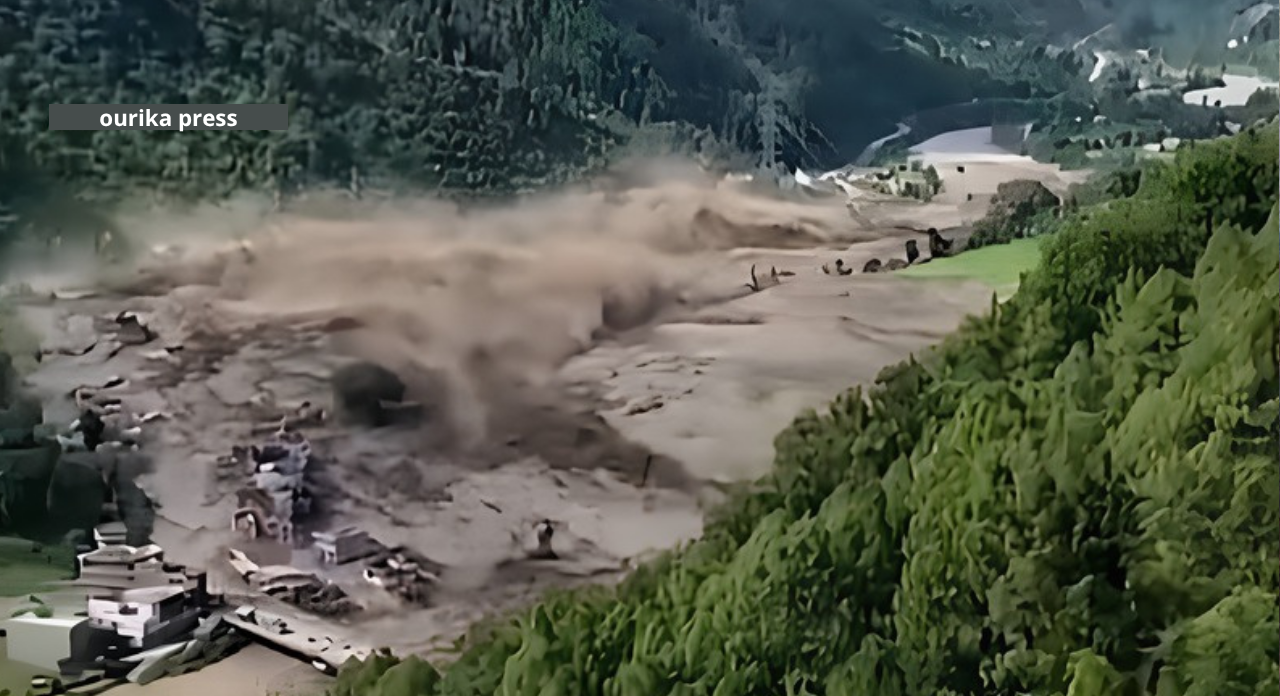
Nepal and China’s Tibet region are facing a major natural disaster after a massive collapse of mud and rocks in a mountain river triggered a powerful flash flood that swept through towns, valleys and border areas, leaving a large number of people dead or missing.
Nepalese authorities said on Thursday that nearly 1,500 people were reported missing in Nepal and Tibet, including at least 800 foreign nationals. Police warned that the death toll could rise further as search and rescue operations resume across the affected areas.
Nepalese rescue teams have deployed helicopters to search for survivors and deliver emergency aid to thousands of people stranded by the disaster. Access to several areas remains extremely difficult due to extensive damage to roads and infrastructure.
Nepalese police spokesperson Abi Narayan Kafle said search operations had resumed, warning that rescuers were likely to recover more bodies in the coming hours.
Extensive Damage to Infrastructure
According to Nepal’s Disaster Risk Reduction and Management Authority, the floods caused extensive damage to critical infrastructure. Around 80 bridges and nearly 40 kilometres of paved roads were damaged or swept away by the raging waters.
The authority also reported that 89 members of the security forces, including police officers and armed forces personnel, remained missing as search operations continued.
The disaster struck a rugged mountainous area that attracts large numbers of hikers and tourists. The region lies along a major route connecting Lhasa, the capital of Tibet, with Kathmandu, the capital of Nepal, explaining the large number of foreign nationals who were in the area when the disaster occurred.
Hundreds of Foreign Nationals Among the Missing
Police and tourism officials said around 600 foreign nationals were among those reported missing on the Nepalese side.
In Tibet’s Gyirong County, Chinese state media reported three deaths and 558 people missing, including around 260 foreign nationals.
Chinese authorities called for intensified search and rescue efforts in Tibet, amid concerns that the disaster could become one of the deadliest natural catastrophes recorded in China this year.
Malaysia’s Foreign Ministry said 55 Malaysian nationals remained missing, while Australian authorities reported that 34 Australians were still unaccounted for.
An initial toll released on Wednesday had reported hundreds of people missing, including Indian, British, American, Malaysian, South African, Australian and Dutch nationals, as well as several South Koreans working at a hydroelectric power facility.
Verified video footage showed the scale of the disaster, with enormous volumes of water and debris rushing through border areas, sweeping away people, homes, roads and energy infrastructure downstream toward Nepal.
Could an Earthquake Have Triggered the Disaster?
The exact cause of the catastrophe remains under investigation. However, preliminary information from Nepalese officials points to the possibility of a glacial collapse or landslide triggered by seismic activity in the region.
According to the German Research Centre for Geosciences, a magnitude 4.4 earthquake struck the area several minutes before footage captured the sudden surge of floodwaters. The seismic activity may have contributed to destabilising the mountainous terrain.
The U.S. Geological Survey (USGS) said the event may have been caused by a glacial collapse accompanied by a massive debris flow, resulting in devastating consequences downstream.
A preliminary analysis of satellite imagery also suggested that flooding along the Lende River may have been triggered by a landslide near the border between Nepal and China.
Rescue Operations Continue
Rescue teams are facing major challenges due to the region’s rugged mountainous terrain, damaged roads and bridges, and the isolation of numerous affected communities.
Helicopters continue to evacuate residents and deliver essential supplies to areas that have become difficult to reach by land.
Nepalese and Chinese authorities are continuing to assess the full extent of the human and material losses. With search and rescue operations still underway, the number of missing people could rise further.
The disaster once again highlights the vulnerability of mountainous areas in the Himalayas, where landslides, glacial collapses and seismic activity can rapidly trigger devastating floods, threatening communities, visitors and vital infrastructure.