Local Authorities in Tighdouine Remove Obstacles from Oued Zat Following Flash Floods

Urgent Measures to Enhance Public Safety
In response to the recent flash floods that struck the commune of Tighdouine, local authorities swiftly launched a series of preventive measures aimed at safeguarding residents and visitors while mitigating the risks associated with rising water levels in Oued Zat.
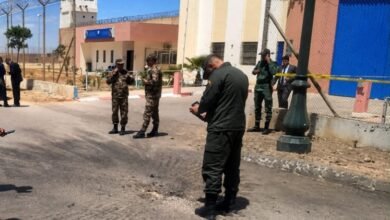
The Head of the Tighdouine administrative district supervised a large-scale field operation to remove barriers and obstructions that were disrupting the natural flow of water. Many of these structures had been erected informally to create natural swimming pools popular among summer visitors.
Unregulated Structures Increased Flood Risks
Field assessments revealed that these makeshift installations significantly contributed to the severity of the flooding by causing abnormal water accumulation. As a result, water levels rose rapidly, creating panic and concern among tourists and visitors in the area.
Coordinated Efforts by Security and Local Authorities
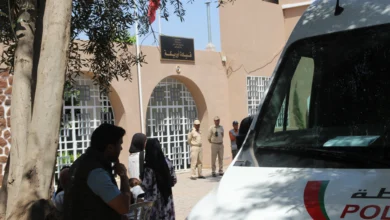
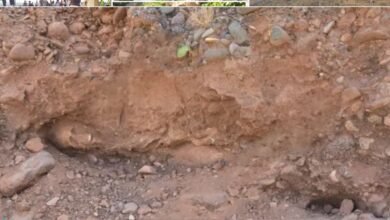
The operation was carried out in close coordination with members of the Royal Gendarmerie of Aït Ourir, Auxiliary Forces, and local authority agents. The intervention included dismantling stone and earthen barriers and clearing the riverbed of any obstacles that could hinder water flow or pose safety hazards.
Authorities also identified similar unauthorized pools in neighboring areas and took precautionary measures to remove them before they could create further risks.
Positive Response from Local Residents
The initiative was widely welcomed by local residents and tourism professionals, who praised the prompt response and proactive approach adopted by the authorities to ensure public safety in one of Al Haouz Province’s most popular natural destinations.
These preventive actions reflect the authorities’ ongoing commitment to protecting lives and property, particularly during the summer season when the region experiences a significant influx of visitors.