Lalla Setti Fadma: Jewel of Ourika and a Haven of Peace in the Heart of the High Atlas
Lalla Setti Fadma: Jewel of Ourika and a Haven of Peace in the Heart of the High Atlas

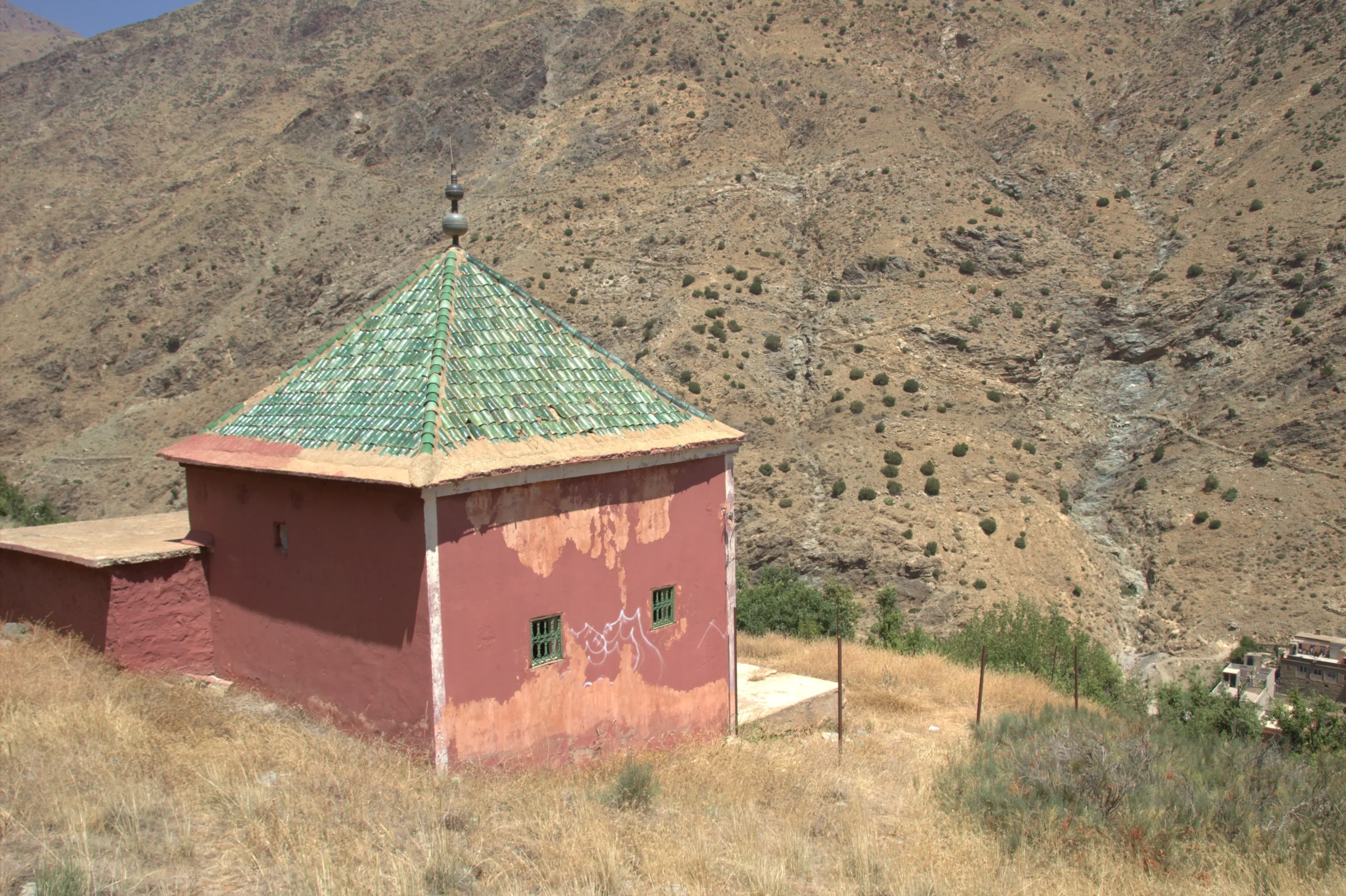
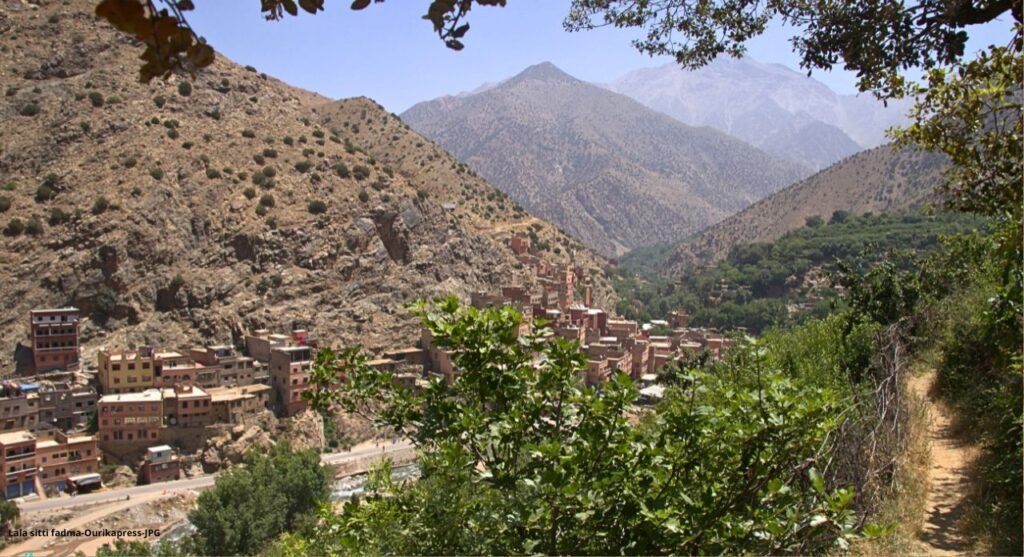
When you choose to escape the noise and bustle of Marrakech and head toward the High Atlas Mountains through the green Ourika Valley, your journey will inevitably lead you to one of the most peaceful and enchanting stops: the Setti Fadma area (or Sidi Fadma, as it is pronounced by local mountain communities). There, the sound of flowing fresh water blends with the shade of ancient walnut trees, apple orchards, and other fruit trees, creating a natural landscape filled with history and spiritual essence.
In this travel guide, we take you to discover the origin of the name, the story of the famous shrine, and the best times to visit this unique destination.
Origin of the name: the memory of a righteous woman
The name “Setti Fadma” is rooted in local memory deeply connected to the Amazigh heritage of the High Atlas. It is said to originate from a righteous woman who lived centuries ago in this region, known for her wisdom, ascetic lifestyle, hospitality, and for helping travelers.
The word “Setti” in the Moroccan dialect is a term of respect, meaning “noble lady.” Over time, the name of this figure became the name of the entire area, in recognition of its spiritual and social symbolism.
Lalla Setti Fadma Shrine: a place of spirituality and serenity
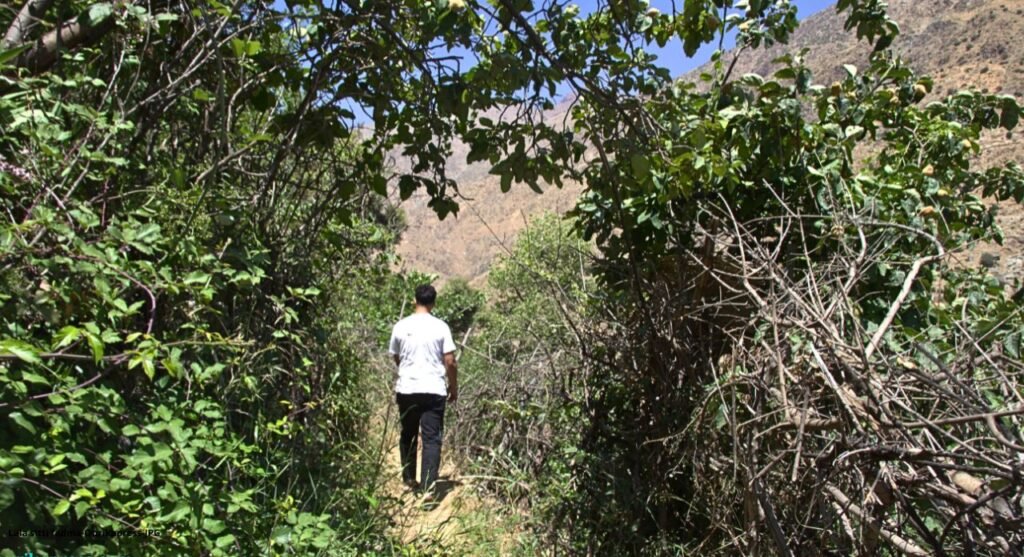
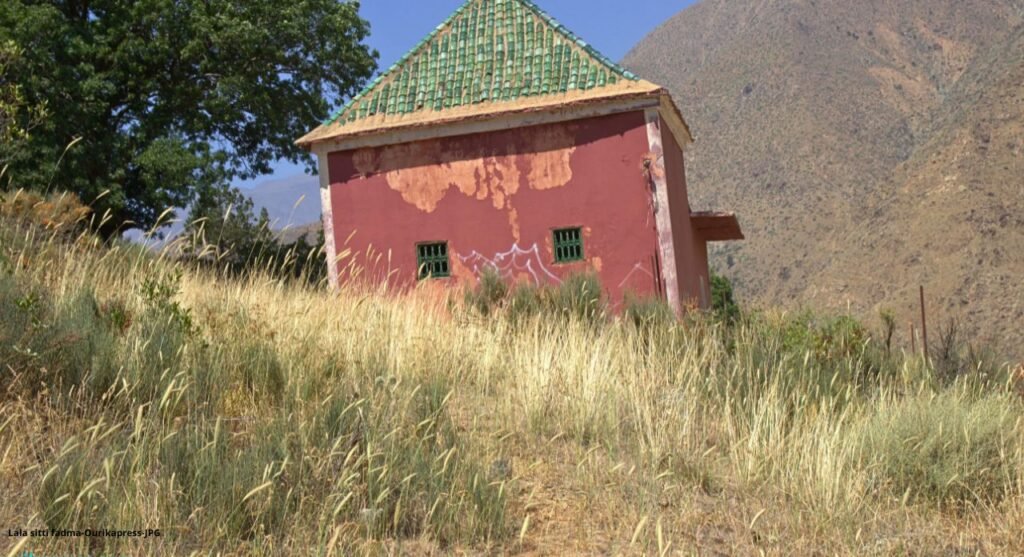
The shrine of Lalla Setti Fadma is the spiritual heart of the region and a place of pilgrimage for visitors seeking peace and tranquility.
It is located in the center of the main village at the end of the Ourika Valley, about 65 kilometers from Marrakech, toward the southeast. Its mountainous setting gives it a special spiritual atmosphere that distinguishes it from other destinations.
The shrine is part of Moroccan culture associated with pilgrimage sites, where spiritual significance blends with Amazigh heritage in a unique cultural landscape.
Best times to visit
To enjoy a complete experience, it is recommended to choose the right timing:
Spring and Summer (March – September)
This is the best period, when the mountains turn lush green and the area becomes a refreshing escape from Marrakech’s heat, thanks to dense tree cover and nearby waterfalls.
August season
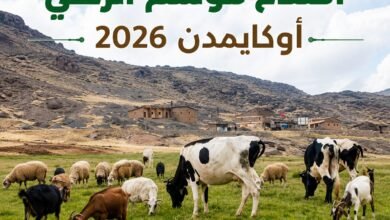
On August 20th each year, after the end of the Sidi Ali Oufars season in Oukaïmeden, a ritual sacrifice takes place, marking the opening of the livestock market and the launch of the “Setti Fadma Moussem.” This event combines commercial and cultural aspects, showcasing local products such as pottery, oils, and medicinal herbs, along with folkloric performances reflecting the region’s heritage. The moussem lasts three days and may be canceled by local authorities in case of bad weather conditions.
Best time of day
It is recommended to leave Marrakech early in the morning (between 8 and 9 a.m.) to make the most of the day: visiting the shrine, exploring the village, hiking to the waterfalls, and ending with a traditional tagine meal by the river.
Conclusion
Visiting Setti Fadma is not just a simple tourist trip; it is a complete experience that blends natural beauty, historical depth, and spiritual calm. It is one of the main gateways to discovering the magic of Ourika and an essential stop for any visitor seeking authenticity and tranquility in the heart of the High Atlas.
In the next article, we will focus on the famous Setti Fadma waterfalls and the trails leading to them.